
Brokerage CRM glossary
Plain-language definitions of the terms brokers, compliance teams and partners use every day, with links to where each one lives in RedCherry.
Onboarding and compliance
KYC (Know Your Customer). The checks a regulated brokerage runs to confirm who a client is: identity documents, a face match and proof of address. In RedCherry they run inside the sign-up flow through an integrated provider; see onboarding and KYC.
AML (Anti-Money Laundering). Screening that looks for signs a client's money or identity is linked to crime, including sanctions lists. Providers return the result with a risk score attached.
PEP screening. A check for Politically Exposed Persons, who carry higher regulatory risk and usually need enhanced review.
Verification levels. Stages a client moves through, such as email confirmed, identity verified and address verified, each unlocking actions like depositing or withdrawing.
Appropriateness test. A questionnaire that checks whether trading leveraged products suits a client's knowledge and experience; its answers can feed the client's risk score.
Risk score. A rating from the KYC provider and your own rules that decides whether an application is approved automatically or goes to a compliance officer.

Wallets and payments
PSP (Payment Service Provider). A company that processes deposits and withdrawals by card, bank transfer, e-wallet or crypto on a brokerage's behalf. RedCherry integrates twelve; see wallets and payments.
Payment gateway. The connection between the client portal and a PSP that takes the payment and confirms it back to the CRM.
Multi-currency wallet. A client balance held per currency, from which funds move to trading accounts.
Reconciliation. Matching every deposit and withdrawal in the CRM against the PSP's own report, with fees and net amounts, so finance knows the books agree.
Chargeback. A card payment reversed by the client's bank, usually after a dispute, which costs the brokerage the amount plus a fee.
Rolling reserve. A share of processed volume a PSP holds back for a period as security against chargebacks.
Withdrawal approval. The rule that decides whether a withdrawal is paid automatically, under a limit, or reviewed by finance first.

Trading platforms
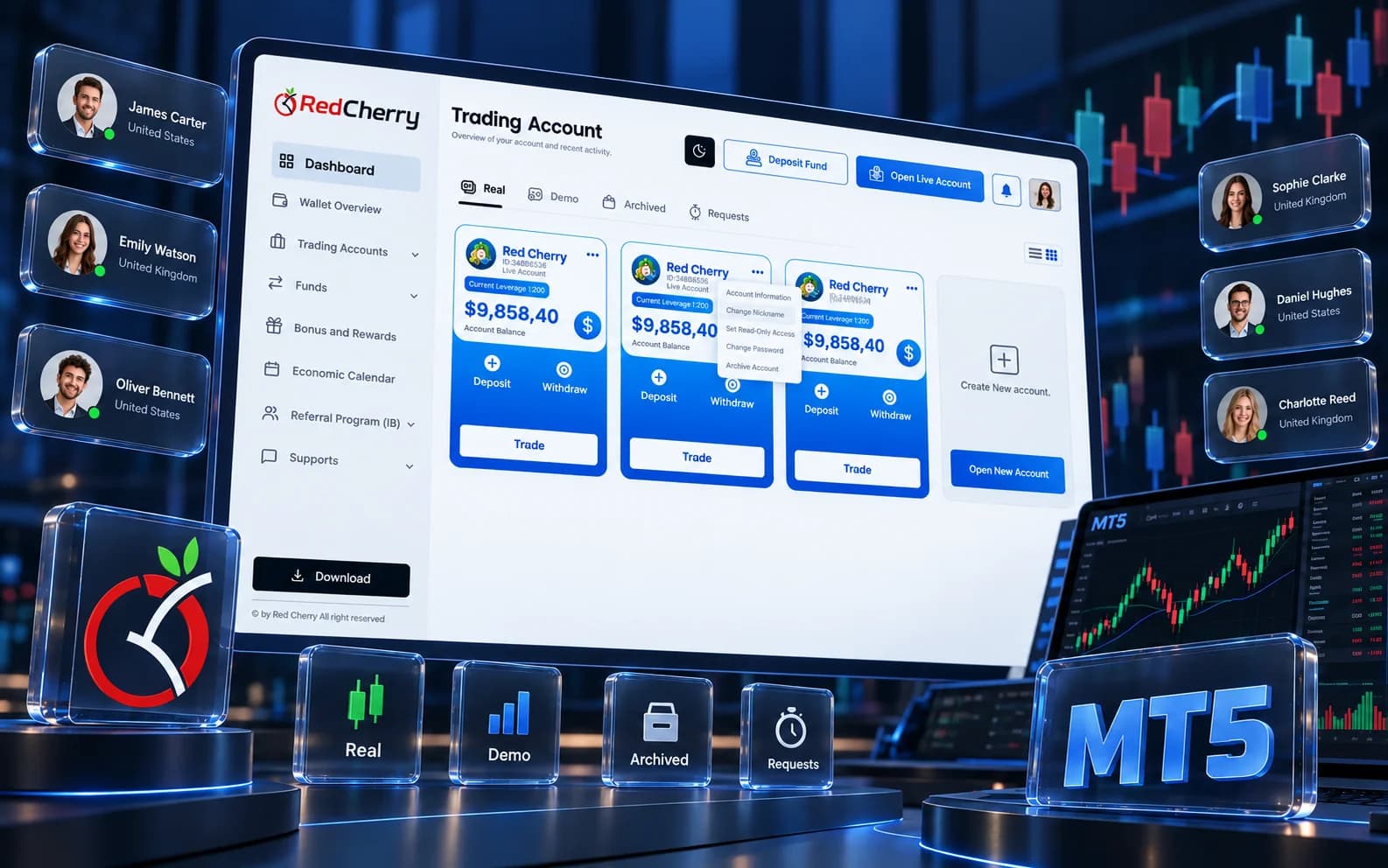
MT4 and MT5. MetaTrader 4 and MetaTrader 5, the trading platforms most brokerages run. RedCherry creates accounts on them and syncs balances, equity and positions in real time; see trading platforms.
Trading group. A set of commercial terms applied to trading accounts: spreads, commissions, leverage, margin call and stop-out levels.
Leverage. How much exposure a client can open relative to their margin, for example 1:30. Limits are often set by the regulator.
Margin call and stop-out. The levels at which a client is warned that their margin is running low, and at which positions start closing automatically.
Lot. The standard unit of trade size. Commission and bonus targets are usually counted in lots.
Live and demo accounts. A live account trades real money; a demo account trades virtual money so a client can practise before funding.
Partners and marketing
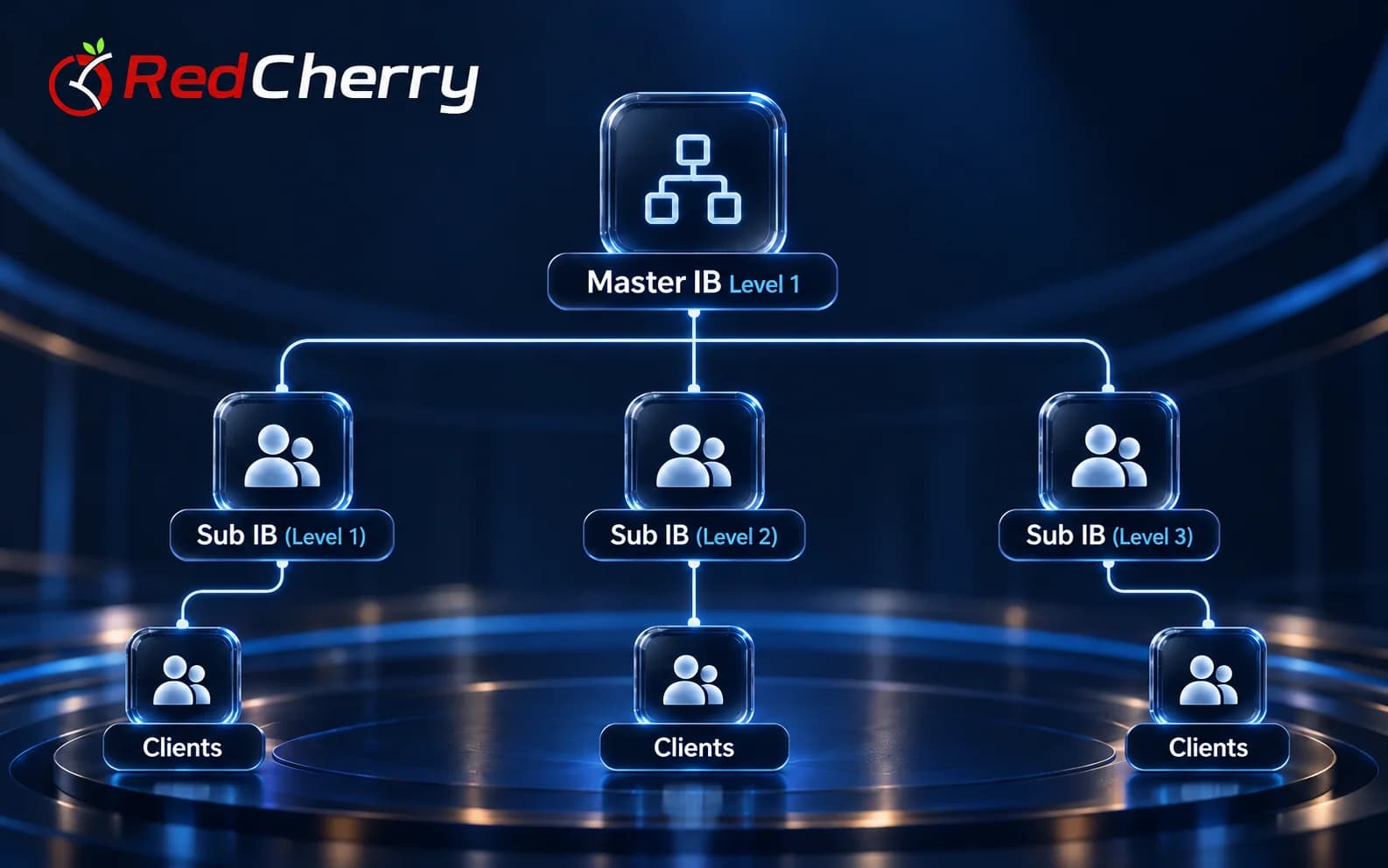
IB (Introducing Broker). A partner who refers clients to a brokerage and earns commission on their activity; see IB management.
Master IB and sub-IB. A Master IB recruits other partners, called sub-IBs, and earns a share of the commission their clients generate.
CPA (Cost Per Acquisition). A fixed payment for each referred client who meets a condition, usually verifying and funding.
Hybrid deal. A partner agreement that combines a CPA payment with a smaller share of trading commission.
Referral link. A unique link that ties a new sign-up to the partner and campaign that brought them.
Loyalty program. Points earned on every trade that move a trader up levels with bigger multipliers; see bonuses and rewards.
Segment. A group of clients defined by live data, such as country, status or activity, used as the audience for a campaign.
Back office and platform
Broker CRM. The system a brokerage runs on: leads, clients, KYC, wallets, trading accounts, partners and reporting in one place. See broker CRM.
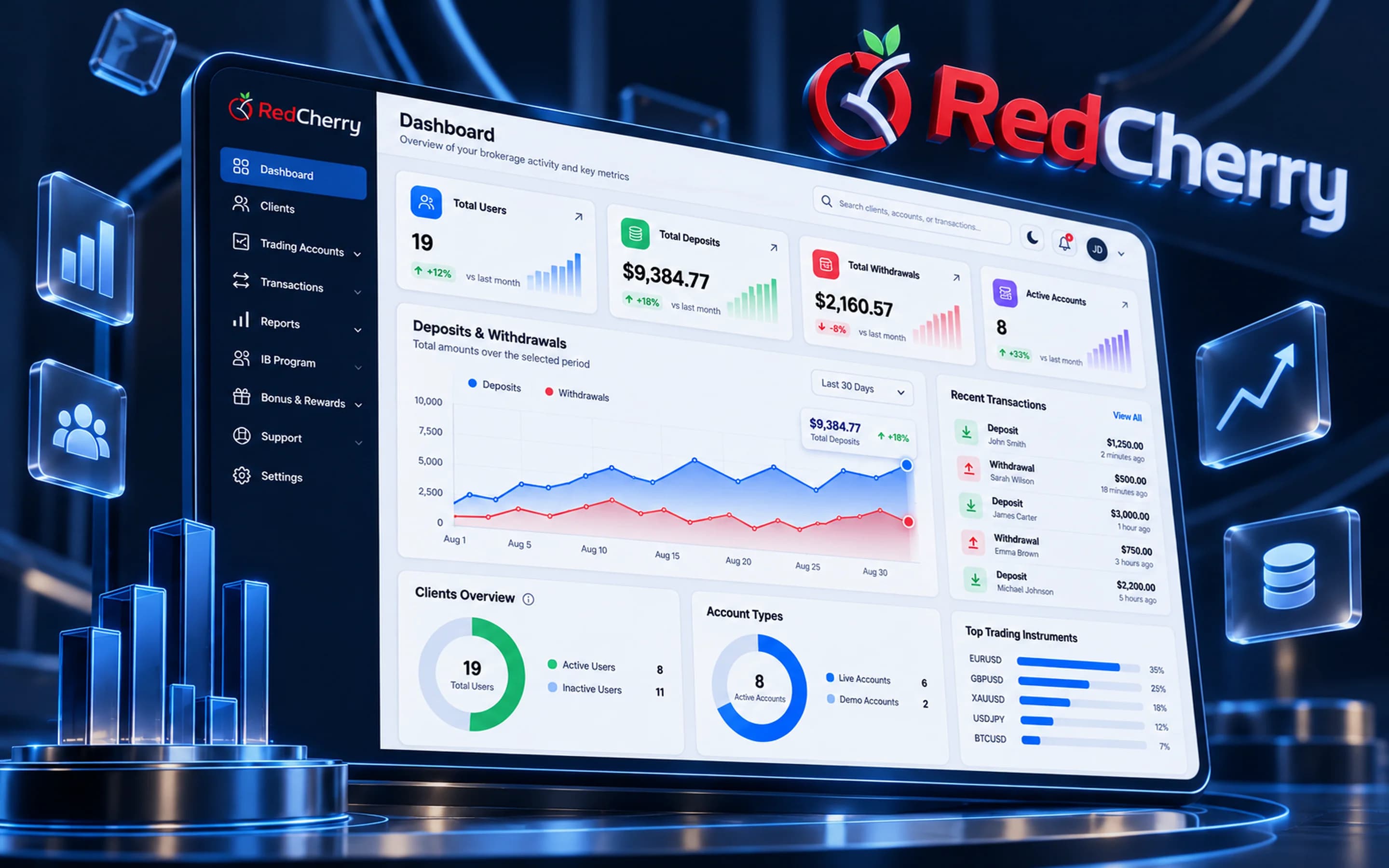
Back office. The part staff work in: approval queues, client records, finance, partners and reports; see the admin dashboard.
Trader's room (client portal, client area). The part clients use to register, verify, fund, open accounts and get support; see the client area.
White-label. Software that carries the brokerage's own brand, colors and domain rather than the vendor's.
Roles and permissions. Rules that decide which pages and actions each staff member can use.
Audit log. A record of every staff and client action with the user and the time, used in compliance reviews.
API and webhooks. Ways for other systems to read CRM data and receive events as they happen; see Integrations & API.
SLA (Service Level Agreement). A response or resolution target, used for support tickets and for platform uptime.
Prop trading
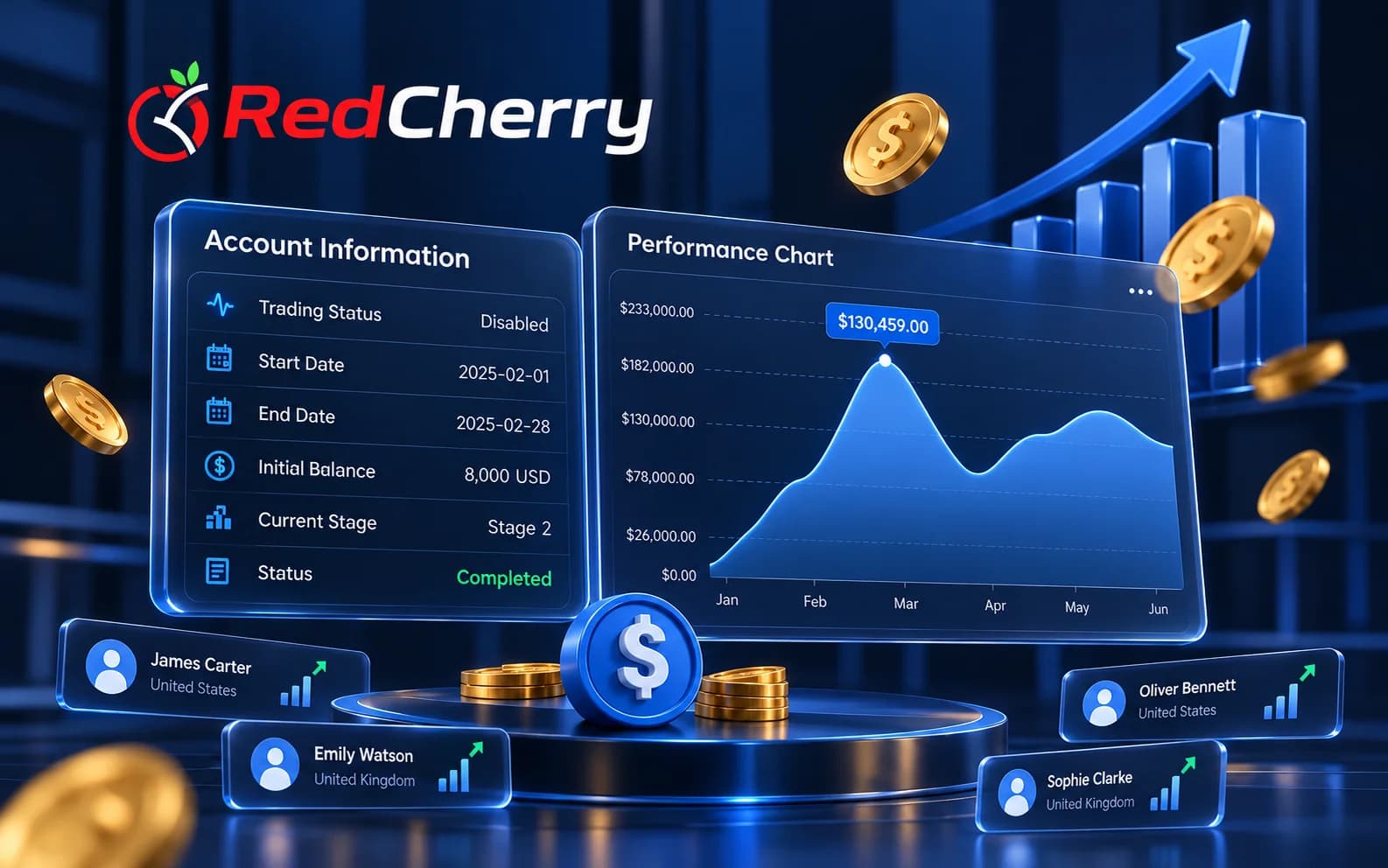
Challenge (evaluation). A test a trader buys from a prop firm: reach a profit target without breaking risk rules to qualify for a funded account. See the prop trading CRM.
Profit target. The gain a trader must reach to pass a stage of a challenge.
Daily and overall drawdown. The maximum loss allowed in one day and over the whole challenge; breaching either fails the account.
Funded account. An account the firm gives a trader who passed, trading under the same risk limits.
Profit split. The share of a funded account's profit paid to the trader, settled on a payout schedule.
Glossary questions
What is the difference between a trader's room and a client portal?
Nothing: trader's room, client portal and client area are names for the same thing, the branded site where clients register, verify, fund and manage their trading accounts.
What is the difference between KYC and AML?
KYC confirms who a client is; AML screening checks whether the client or their money is linked to crime, including sanctions and PEP lists. Brokerages run both, usually through the same verification provider.
What is the difference between an IB and an affiliate?
An introducing broker usually earns ongoing commission on the trading of the clients they refer, while an affiliate is often paid a one-off CPA per qualified client. Many programs offer both, and hybrid deals combine them.
See these terms working in one platform
Book a demo and we will show how onboarding, payments, trading accounts and partners connect in RedCherry.
Book a demo